


How you can help

Define homeless
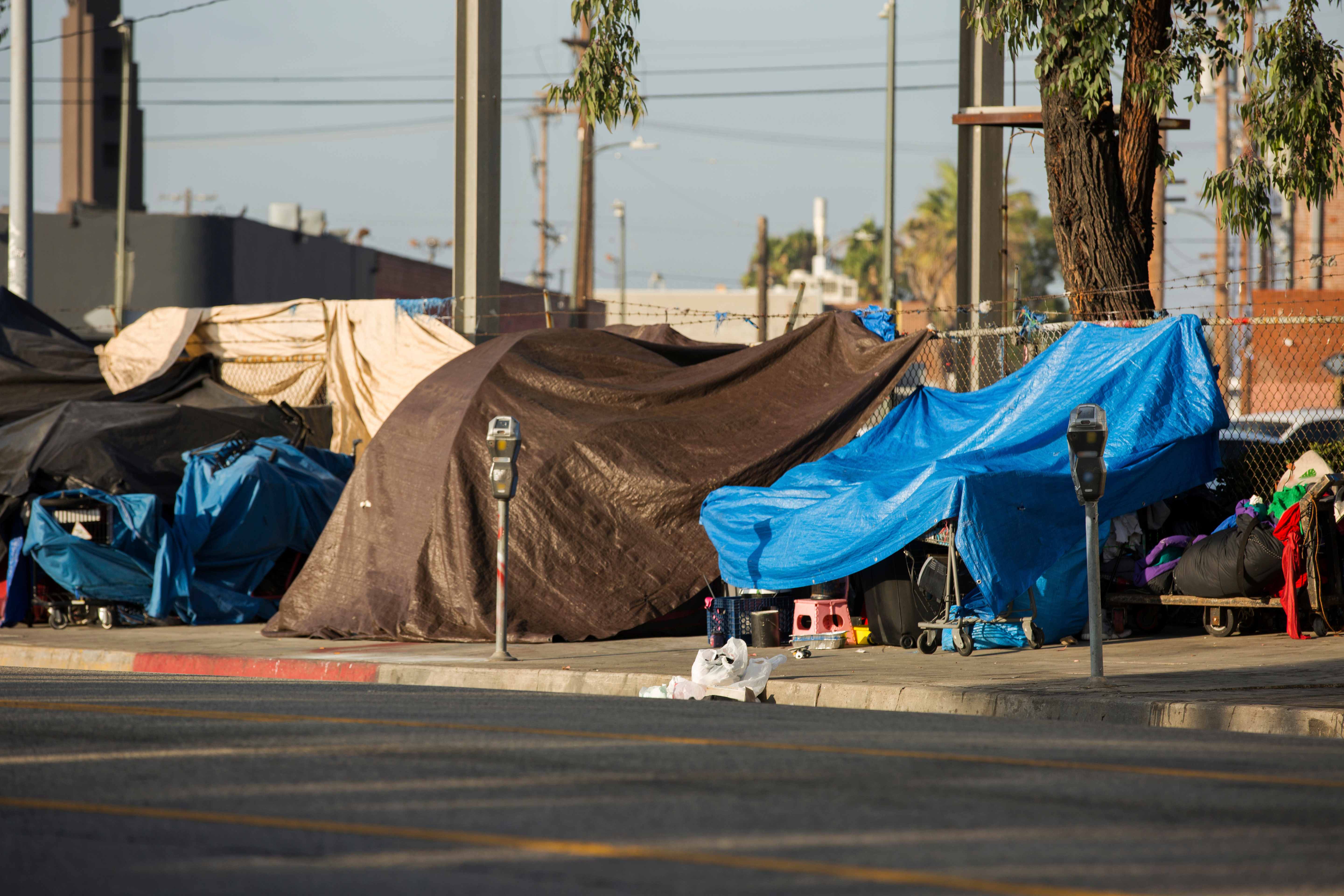
Homelessness is defined as a situation wherein an individual or family lacks access to stable, permanent, and safe housing [ Canadian Observatory on Homelessness (COH), 2017]. It also includes individuals or families in precarious situations where their current housing is at risk or does not meet safety or public health standards (COH, 2017). The general image of a homeless person is a street person, but homelessness also includes individuals in emergency shelters or those who are temporarily housed.
Let’s explore the experience of the chronically homeless and learn about what factors are involved in the creation and maintenance of the problem. For brevity’s sake, we will focus on this population, rather than those at risk of losing housing.
Factors in Becoming Homeless
Losing a home
One of the biggest factors in a person losing their housing is due to systemic issues and society’s failure to provide adequate housing options, funding, and support. Although there is financial support available to individuals and families at risk of losing their housing, it can be challenging for some people to follow the paperwork and access important information. As well, exiting homelessness can also be challenging due to a lack of affordable options. The National Housing Strategy has created a “Reaching Home” program by increasing affordable rental units, funding transitional programs, and increasing client services such as emergency shelters and employment assistance. This takes time to come into practice, though, another systemic barrier for people.
Supportive Housing
Another issue is the lack of supportive housing. So, what’s the difference between supportive housing and affordable housing? Supportive housing is typically a form of social housing where individuals have their own apartments, but are located within an organization that provides ongoing mental and physical support. Some people who experience chronic homelessness, mental health problems, or addiction are unable to sustain stable housing and need extra help maintaining a clean space, cooking their meals, taking medication, and accessing healthcare. This new model of care reduces hospital stays and gives individuals permanent housing outside of the shelter system, which can vastly improve their quality of life.
Obstacles

So, people have multiple pathways to becoming homeless, and when they are homeless, experience challenges that inhibit their ability to change their situation. For example, living in and out of shelters makes it difficult to organize paperwork and any documents people need to access social housing registries. Clients often require a caseworker or housing worker to access these registries and get support for housing. Unfortunately, these workers often have waitlists, which can increase the length of time people spend on the streets or in emergency shelters.
Mental Health
Lastly, mental health and addiction issues play a role in homelessness. The connections between mental health, addiction, and homelessness are complex. There is clear evidence that homeless people are more susceptible to mental and physical health challenges (Canadian Population Health Initiative of the Canadian Institute for Health Information, 2007). Living on the streets or in shelters is a stressful environmental situation, and the struggles people face on a daily basis can trigger and exacerbate people’s current illnesses and addictions. Street persons have limited access to nutritious and filling meals, healthcare, and positive social interactions, and need to stay vigilant in their surroundings.
Conclusion
So, people have multiple pathways to becoming homeless, and when they are homeless, the challenges they experience inhibit their ability to change their situation. For example, living in and out of shelters makes it difficult to organize paperwork and any documents people need to access social housing registries. Clients often require a caseworker or housing worker to access these registries and get support for housing. Unfortunately, these workers often have waitlists, which can increase the length of time people spend on the streets or in emergency shelters.

How Individuals Can Help
Supporting organizations such as homeless shelters and food banks through donations or the gift of time is one option to help. As well, when you vote, ask your candidates about their views on mental health and addiction issues, and how they plan to support reducing homelessness. In the Ottawa region, emergency shelters and community health centers are the main resources used by people experiencing homelessness. Let’s focus on one.
The Shepherd’s of Good Hope has recently created new supportive housing programs and is the leader in providing housing and support to people experiencing homelessness. The shelter operates many different facilities in the Ottawa area and has clothing drives, operates a small food bank, and provides warm meals to people three times a day. The shelter also has case managers and housing workers to help individuals obtain housing and manage their mental health and addiction issues.

About the Author:
Victoria Howarth is one of our Registered Psychotherapists (Qualifying) and a therapist under supervision at CMAP Health. She is completing the last year of her Master’s Degree in Counselling Psychology at Yorkville University. Victoria holds a Master’s Certificate in Addictions and Mental Health from Durham College and has spent the last 5 years working the frontlines of the opioid epidemic. She has experience coaching and counselling adults with substance use disorders with an emphasis on harm reduction. To find out more about Victoria, you can review her profile.