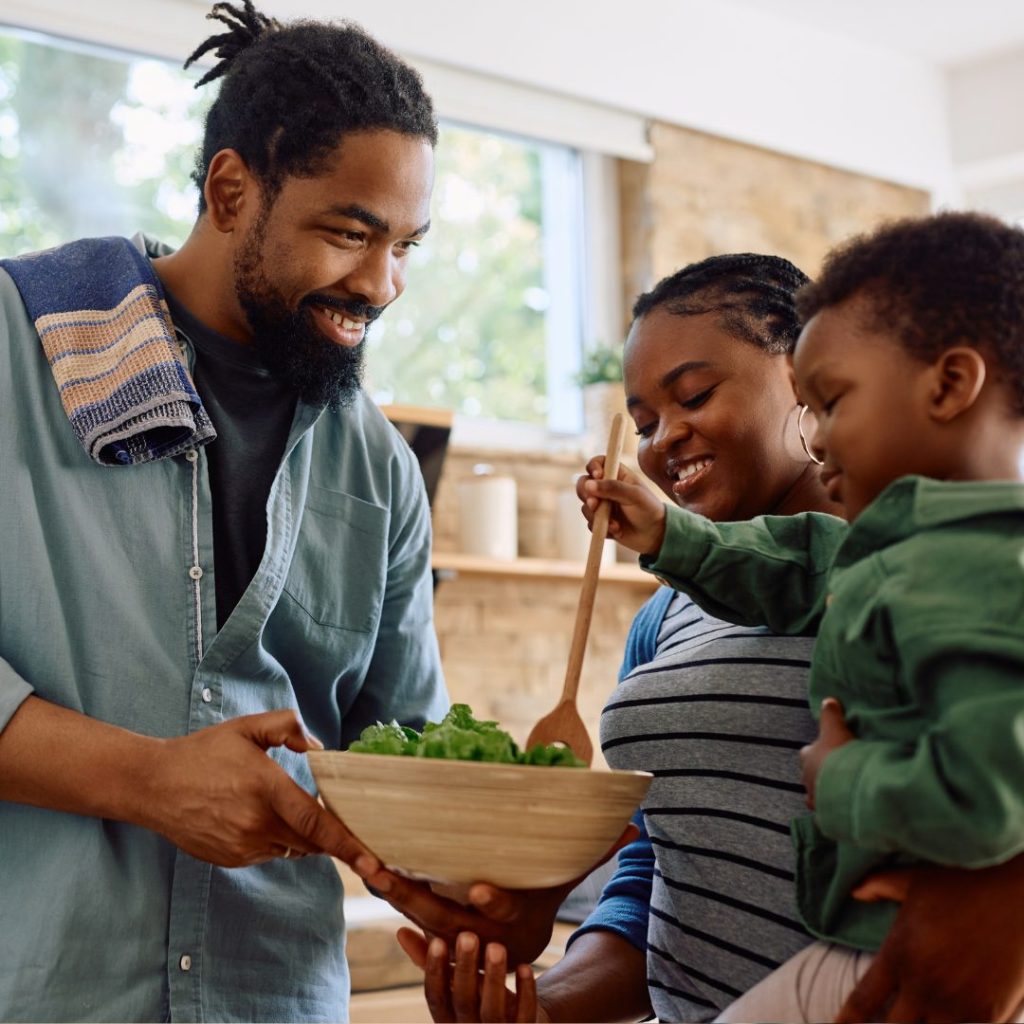
Everyone is busy these days. Often meals are eaten on the run with little time for a family meal. Even when everyone is present, someone is checking a phone, or the TV is on.
Is the family meal dead? I sure hope not.
Family meals cause good things to happen. Family meals reduce anxiety or behavior problems in children or teens. They allow parents to teach important life lessons and values. Children learn about their family's heritage, cultural practices, and moral principles. This informal education is invaluable because it shapes their identity and worldview.
Children who participate in family meals have higher self-esteem and better social skills. The family meal provides a safe space for children to express their thoughts and feelings. Parents can show positive behavior and communication skills. Family meals are great for parents to check in with the kids, to share values and for the family to learn to enjoy each other.
Family meals are healthier, as parents can promote healthy foods and develop healthy habits. Children who regularly eat with their families are less likely to skip meals or overeat.
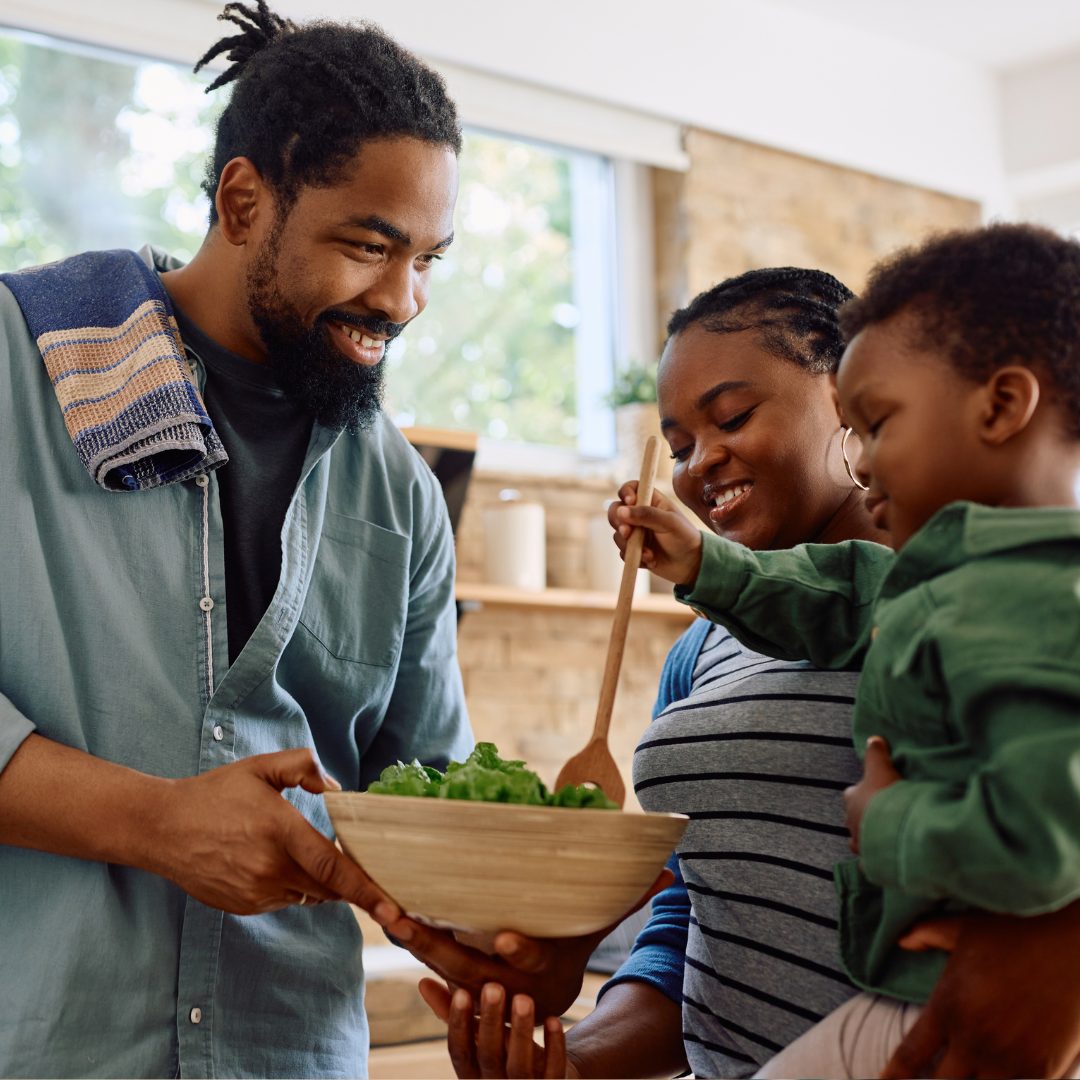 It doesn't matter if the family is rich or poor or how old the children are, family meals are good. Fancy meals are not needed. The most important is to have at least one a week when the kids still live at home.
Some practical guidance
- TV off, phones on airplane mode or away from the table.
- Everyone starts at once. Have a few words of gratitude for the meal. Thanks to God, the cook, to the farmers, to the animals, or whomever you wish.
- Everyone should say something positive about their day. Discussing some challenges is OK too. Family meals are not the time to discipline or to lecture the kids.
- Have a formal ending to the meal. When I was young my parents had to excuse us from the table. Everyone doesn't have to linger, but parents and children should stay until everyone is finished eating.
- Share the airtime. Maybe one child is shy and the other a chatterbox. A gentle intervention such as "Ingrid, what was the best thing in your day?" is a good idea.
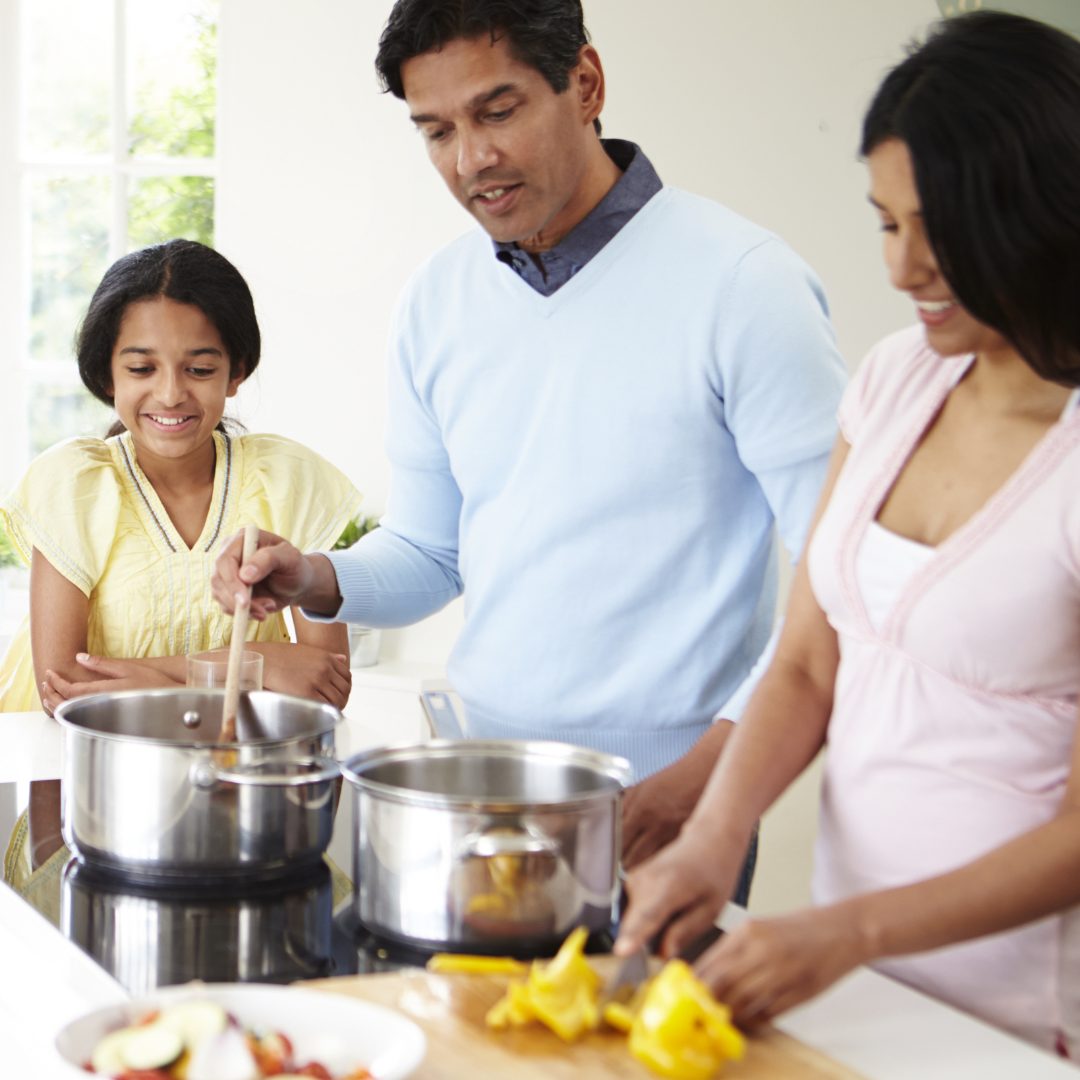
Family meals have been a cornerstone of cultures around the world for centuries. This tradition has been depicted in countless works of art and literature. Gathering around a table to share food is more than eating, it is a ritual of connection and nurturing. It encourages belonging and community.
Developing family meals is challenging but achievable. Some strategies to make them routine are:
- Prioritize: Schedule family meals, setting firm times each week.
- Plan together: Involve children and all adults in planning and preparing.
- Create a mood: Make the dining area inviting. Turn off devices, play soft music, clear the table of other things, and leave grumpiness behind.
- Be flexible: Meals don't need to be elaborate; simple, quick dishes work too. The focus is on time together.
- Enjoy: Keep conversations light and engaging, share stories, and enjoy each other's company.
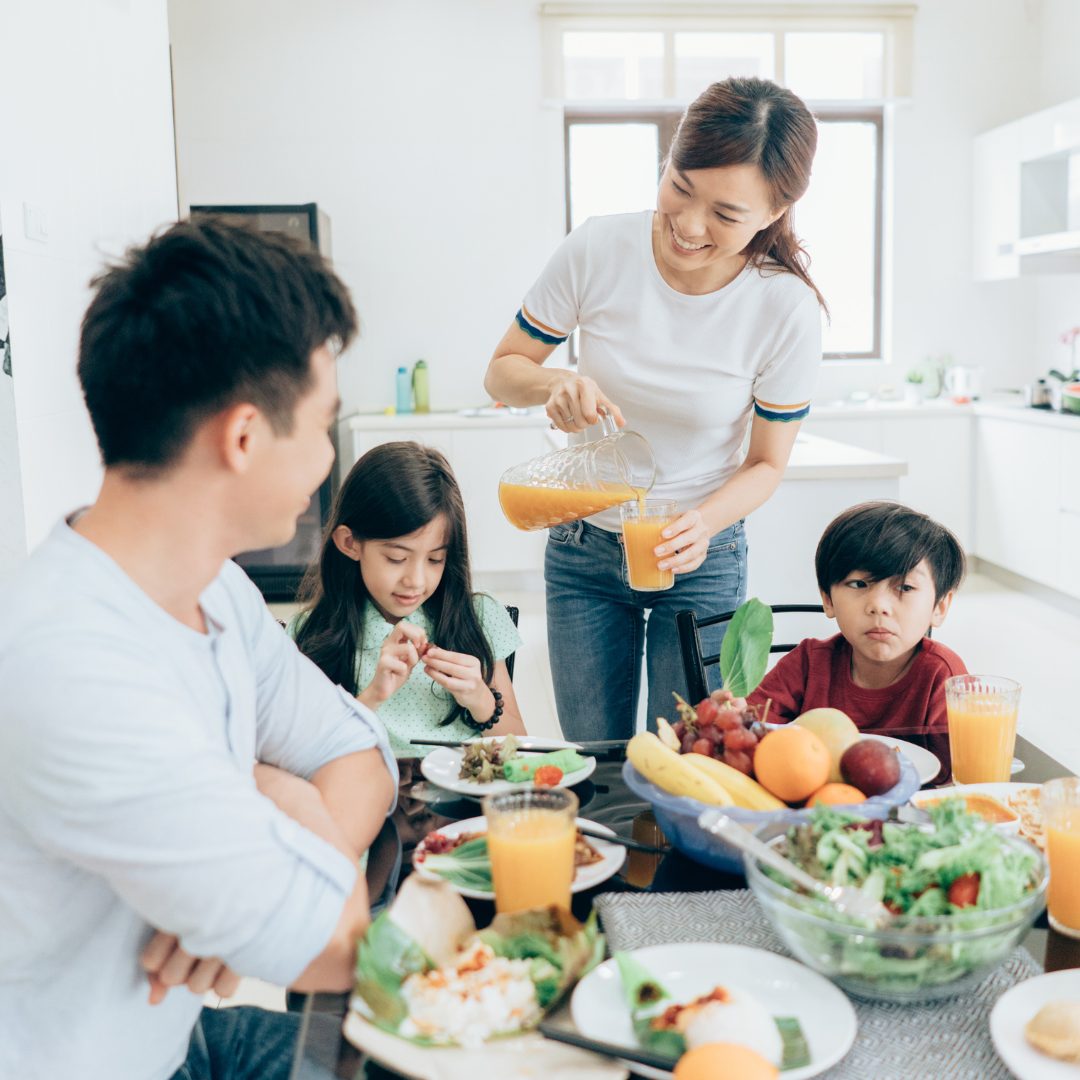
With a little effort and commitment, the family meal can be part of your routine. The benefits of regular family meals are more than good food. Family meals contribute to the emotional, psychological, and nutritional well-being of all family members. Let's make family meals a priority and cherish the time spent together, creating memories that will last a lifetime.