Since the beginning of humankind, spirituality has been an important feature of communities. Spirituality refers to a sense of connection to something greater than oneself. Spirituality includes more than organized religion. The connection can be to God, some other deity, to nature, or to humanity. The connection is usually accompanied by religious or spiritual practices. Spirituality can offer solace, purpose, and a framework for understanding life's complexities. The profound sense of connection that is at the heart of spirituality has been shown in many studies to play a crucial role in mental health.

How Spirituality Supports Mental Health
Spirituality aids mental health by providing a purpose and meaning to life. In times of distress or confusion, spirituality can provide a sense of direction and understanding. This sense of purpose can be a powerful motivator, encouraging individuals to persevere through difficult times and to view challenges as opportunities for growth. By contemplating existential questions and seeking answers within a spiritual framework, people can alleviate feelings of hopelessness and despair.
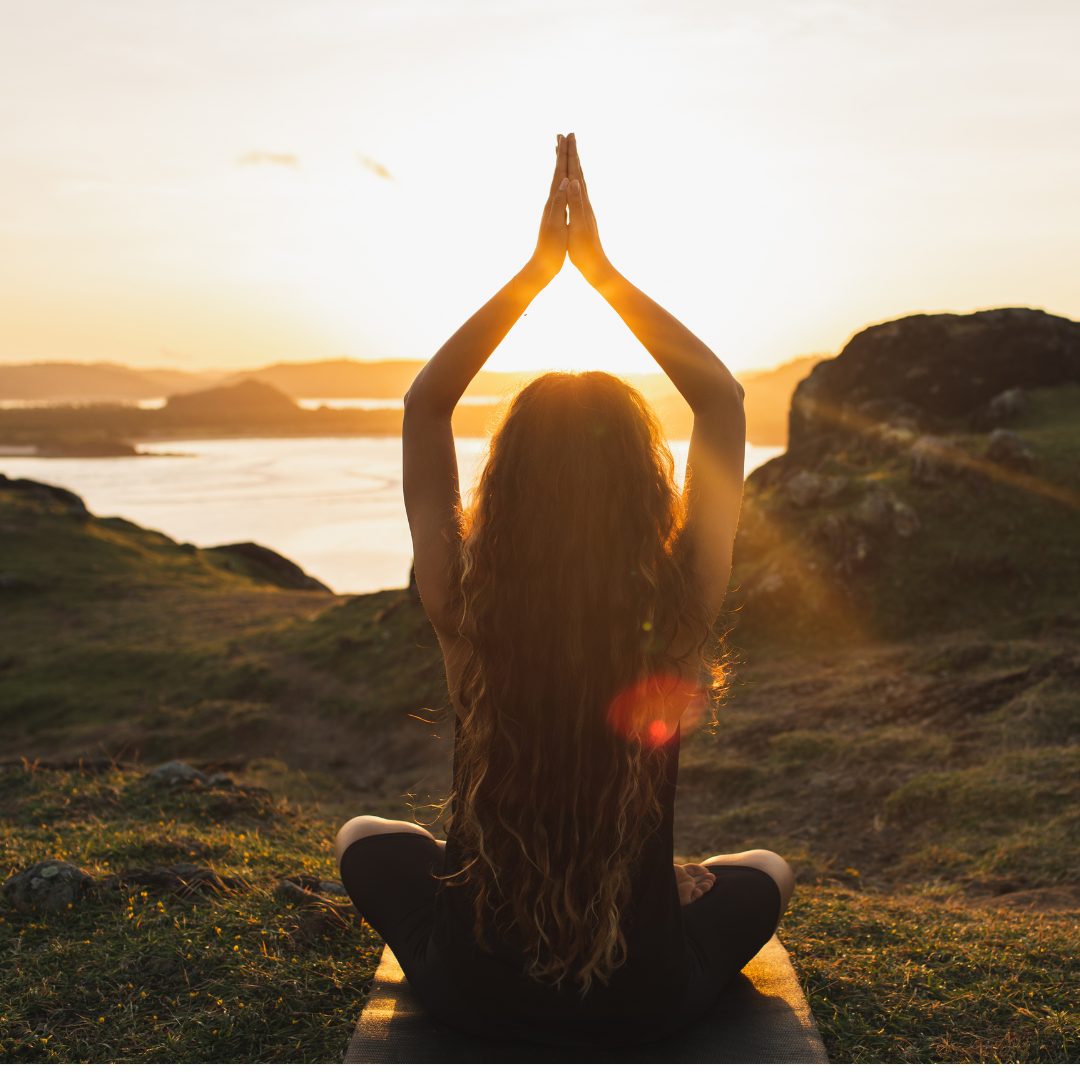
Spirituality can also play a significant role in reducing stress and anxiety. Practices such as meditation, prayer, and mindfulness, which are often components of spiritual traditions, activate the relaxation response. This reduces the production of stress hormones and promotes a sense of calm and peace. Furthermore, by fostering a sense of acceptance and surrender, spirituality can help individuals let go of worries and focus on the present moment, thereby reducing anxiety.
Emotional Benefits of Spirituality
Spirituality can significantly improve emotional health by promoting positive emotions such as love, compassion, and forgiveness. These emotions are not only beneficial for personal well-being but also for interpersonal relationships. Being grateful is often part of a spiritual framework. Gratitude can shift focus from negative to positive aspects of life and enhance emotional health. Seeking and obtaining forgiveness and atoning for failings or sins in one's spiritual framework can help process and release negative emotions and produce more serenity.
Community and Personal Growth
Spirituality is usually practiced in a community of like-minded people. It fosters a sense of connectedness to others. Feeling connected enhances mental health by reducing feelings of loneliness and isolation. This sense of connection can also enhance empathy and compassion towards others, leading to more meaningful and fulfilling relationships. Spirituality encourages individuals to look beyond themselves and to recognize their place within the larger tapestry of life, which can be profoundly grounding and comforting.
Spirituality often involves a journey of personal growth and self-discovery. This journey can be enriching, providing individuals with insights into their values, beliefs, and purpose. Engaging in spiritual practices can lead to greater self-awareness and self-acceptance, which are crucial components of mental health. As individuals grow spiritually, they often develop a deeper understanding of themselves and the world around them, leading to a more balanced and harmonious life.
The Contradictions and Challenges
A contradiction is that atrocities or other injustices are sometimes committed by religious or spiritual groups, e.g., child sexual abuse by religious leaders; war fought against those who don't have the same religion; martyrdom or human sacrifice. These atrocities and injustices are not limited to religious or spiritual groups. This contradiction does not lessen the value of spirituality in being an important potential method of improving mental health.
The Power of Spirituality
Spirituality offers a multifaceted approach to enhancing mental health. By providing purpose and meaning, reducing stress and anxiety, enhancing resilience, improving emotional health, fostering connectedness, and encouraging personal growth, spirituality can be a powerful tool for achieving mental well-being. As we navigate the complexities of modern life, tapping into our spiritual side might be the small thing that makes a big difference.