


Depression
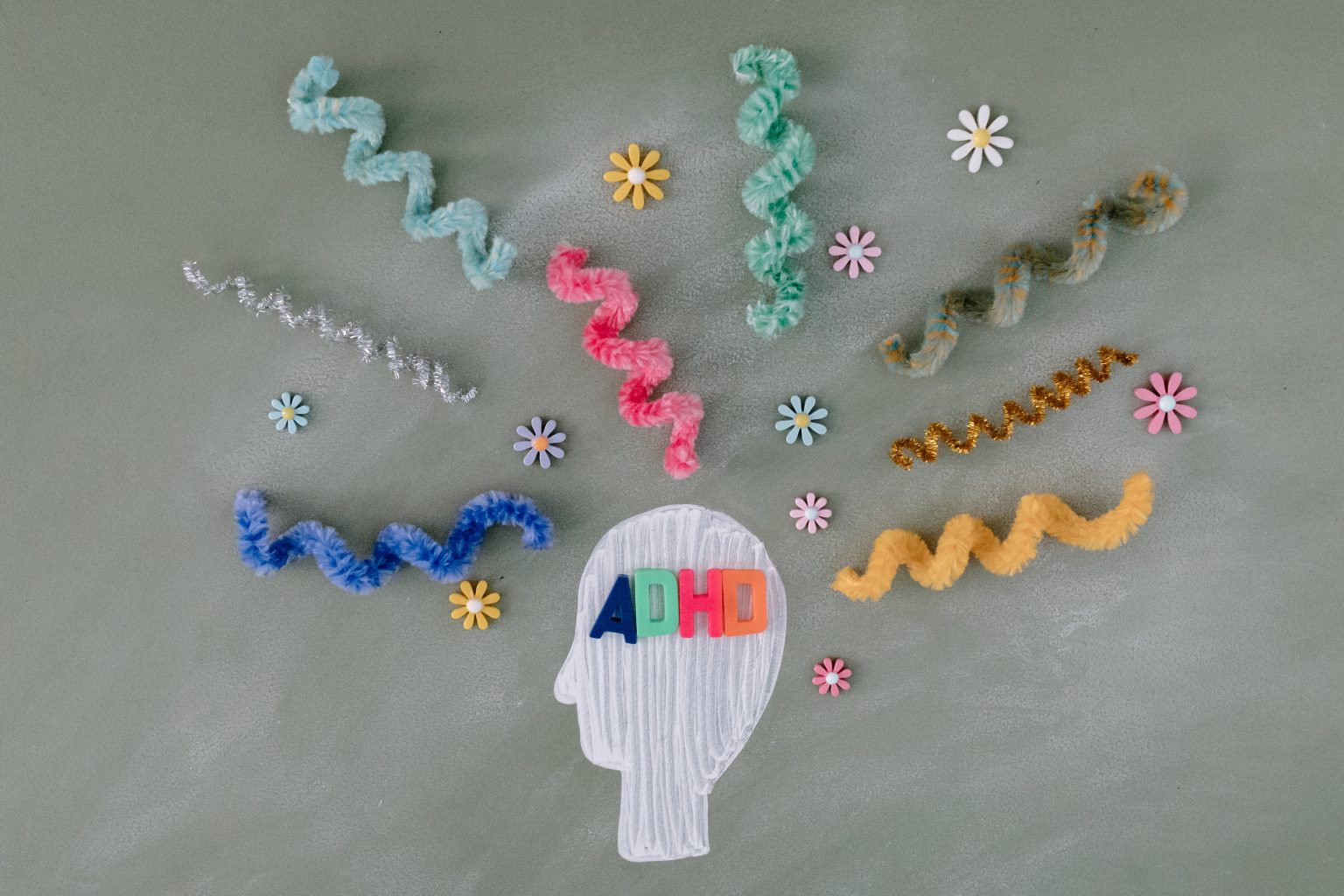

If you are living with ADHD, you are less likely to read this article. Unless you're hyper-focused on the subject, you will likely read the headline and skim the rest. Fortunately, we know that this is not the result of a personal failure. It's how your brain developed and a symptom of living in a society that wasn't built for you.
Hunters in a Farmer's World
Most of us grew up seeing a negative stigma around those with ADHD. Often, they were the 'disruptive' kids in class and treated with little patience. However, as with most of what the human brain does, it is also an adaptive trait. We now live in a unique period of history, where sitting attentively at a desk for 8 hours is expected behaviour. The quick refocusing of attention and reactions to impulses common to those with ADHD likely helped our hunter-gather ancestors, but it's a disastrous mismatch for common tasks like office work and filing taxes (Swanepoel et al, 2017).
The negative perception of ADHD is based on the idea that this long maintenance of attention is the only valid pattern of behaviour and results in a lot of negative self-perceptions for those with ADHD. We hope to validate your experience with that, and help you understand that it does not make you a lesser being than others.
Still, even accepting this does not change the reality that your life will have its share of dull tasks and focused assignments, and the responsibility to manage yourself in those situations will fall on you. If you've been diagnosed with ADHD as an adult, you may struggle to understand how to deal with it, and what that means about you. Let's leave aside any interpretation society may put on it and focus on what the research shows us about ADHD:
This doesn't seem so bad. So, how can we work with it?
ADHD in CBT

Living with ADHD
ADHD is a neuropsychiatric condition that results in impairments to attention, inhibition, and self-regulation of impulses. When these impairments affect performance in school, work, or social lives, it can lead to a history of underachievement, relational issues, and perceived failures. The more these happen, the less we tend to see these failures as symptoms of a biological condition and the more we see them as our fault for being lazy, stupid, or failures. This can result in more adversity than experienced by others with the same background and opportunities and often leads to guilt, depression, anxiety, or anger. Without effective compensatory strategies to help you plan your life and reduce distractions, it could lead to worsening problems in relationships and work tasks, reinforcing the idea that you are a failure and the cycle begins anew.
The good news is that you are not. You're not lazy, stupid, or crazy. You were taught or were expected to learn on your own, ways of coping with life that was intended for people with different kinds of brains. And the other good news is that there is a way to escape this cycle.
In order to live more effectively with ADHD, there are three things you must work on:
CBT can help with each of these.
Organization
 Many people with ADHD cling to agendas and to-do lists like lifelines, aware of their need to get things done. But while necessary, these strategies can be difficult to apply. Whether it's a difficulty remembering to write down tasks, do tasks, or simply check the list. CBT employs several problem-solving techniques to help you fully engage with your task list and calendar, no matter how overwhelming it may be.
As you build these habits of organization, you will begin to notice improvements in other areas of your life. You have less call to feel like a failure if your plans for success are working, and less call to be emotional about missed details if you're not missing them. These skills are the foundation of the rest of the treatment.
Distractibility
 Reducing distractibility training isn't about stopping the thoughts from jumping into your mind, but about handling the reaction to those thoughts. We are all aware that distractions can have a greater negative impact on us, but have you ever measured the real impact on your life?
The time it takes for your mind to distract you from a boring task might prove as low as you expect, or higher than you gave yourself credit for. In either case, there are strategies for reducing distraction. Whether it's phones dinging, people passing by the window, or just the thoughts running through your head, there is always something going on that's more attractive than the work in front of you. But by listing your distractions, working to understand when a distraction is important or not, and by modifying your environment to suit you better, you can see those distractions fade into the background.
As improbable as it seems, these numbers don't lie, and tracking the declining impact distractions have on your work is a rewarding experience.
Adaptive thinking
More than anything else, CBT can help you manage the cognitive and emotional reactions that come from living with ADHD. It can help you understand the cognitive processes that define your reactions to others and to the thoughts in your head. You can learn to understand your condition and notice when it starts to affect you. You can learn to keep a journal of your thoughts, feelings, reactions, and ideas for improvement. You can come to grips with how ADHD affects your emotions, know its pros and cons, and put yourself back in control of your behaviours.
You know you can do these things because many others, with conditions just as bad or worse than your own, have managed to do so through the same method that can work for you: practice.
Live effectively with ADHD
None of this is easy. It takes a lot of commitment, but also it can certainly be done. Anyone can benefit from help with these techniques. Working collaboratively with a therapist can help you find the areas where you're strongest, where you struggle most, and sometimes reveals hidden abilities you never knew you had. It also keeps you on track, as you work towards your graduation: the end of the therapy, where you no longer need support and are ready to become your own therapist. When you are ready to start this journey, reach out. We look forward to helping you find your way.
Sources