Many of my clients find themselves reacting very strongly to stressors that occur in their lives including:
- noticing an appointment in their calendar to see an unsympathetic boss
- their ex says something while dropping off the kids
- speaking up in a work meeting
- dealing with a difficult neighbor or employee
- having to deal with a challenging child
- disagreeing with their partner
In these situations, or even just thinking about them, their sympathetic nervous system kicks in, triggering a Fight, Flight, or Freeze response. Their heart suddenly is pounding, they sweat, their neck and jaw become tense, and their stomach aches. These physical reactions are coupled with anxiety. The reaction happens automatically, without conscious thought. Some people find themselves almost constantly in Fight, Flight, or Freeze mode, which is exhausting, unpleasant, and hampers clear thinking.
The Evolutionary Background
The Fight, Flight, or Freeze response has been with us for thousands of years and occurs in most animals that can be prey. It's a reaction to imminent danger. For instance, chickens instinctively react this way when they see the shadow of a hawk. In prehistoric times, when humans faced beasts ready to make us their lunch, this response was adaptive. It prepared us to fight the predator, run away, or become invisible by staying still.
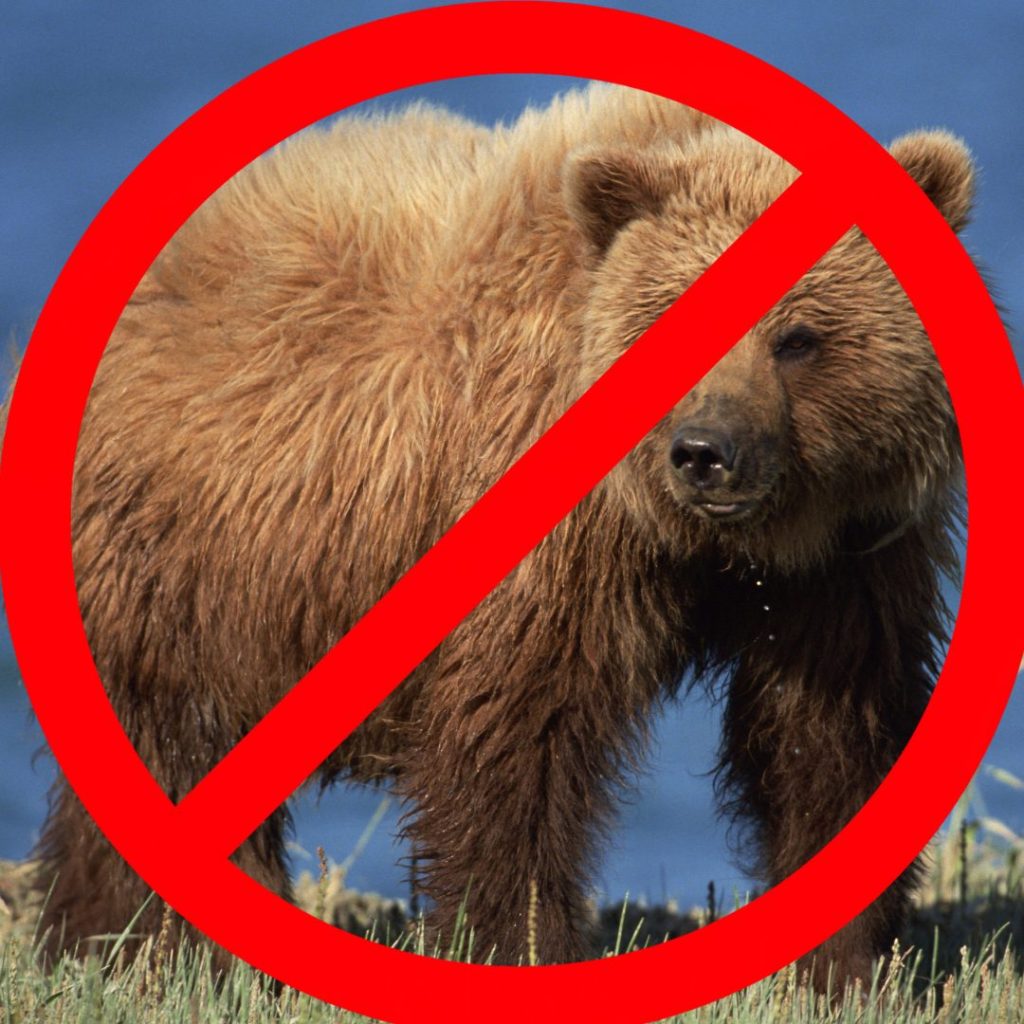
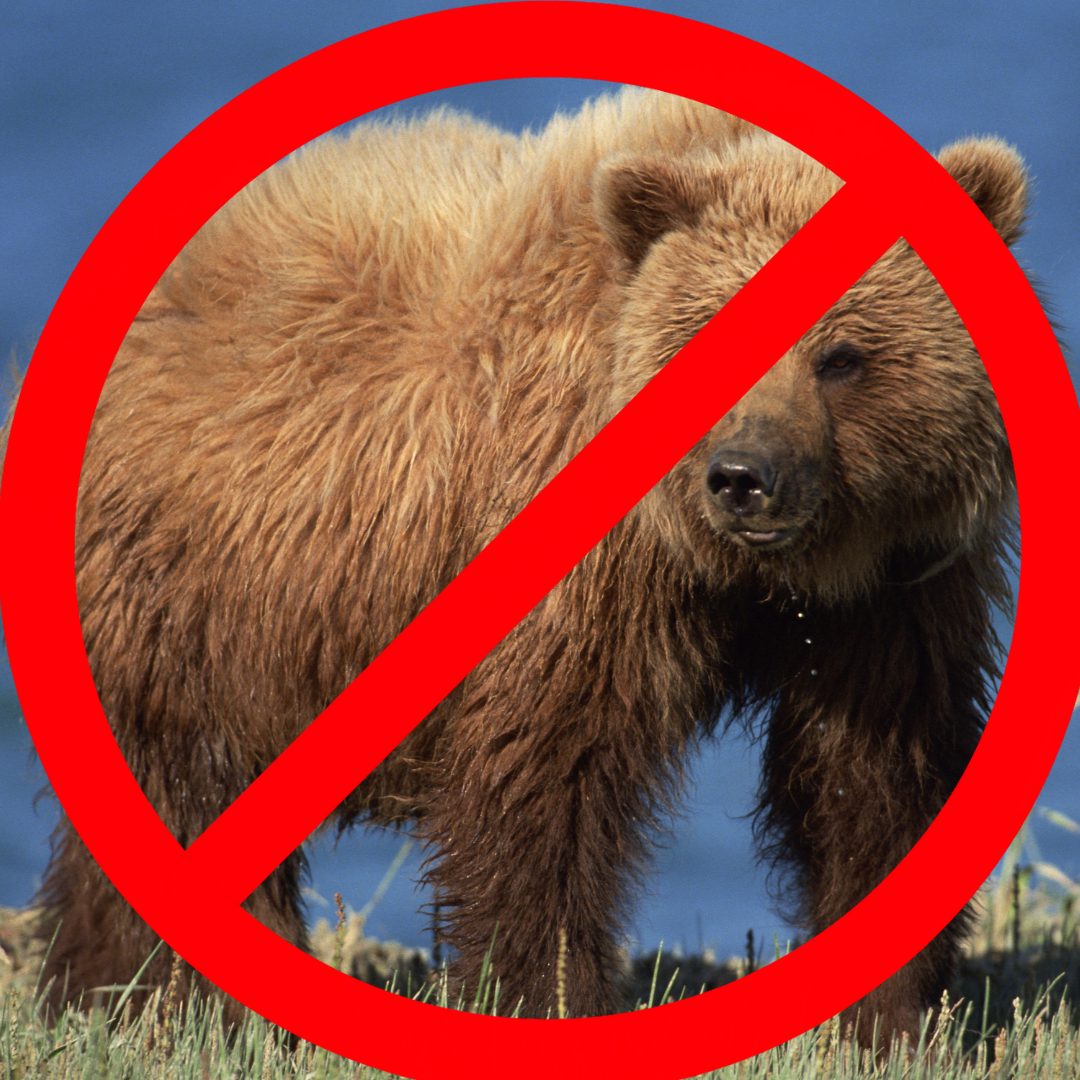
Nowadays, this reaction is less useful. Grizzly bears don't roam Ottawa, where I live. Yet, many people still experience automatic Fight, Flight, or Freeze responses to non-lethal threats. The most crucial step in managing this reaction is to reinterpret the perceived threat.

Reframing the Threat
Essentially, your brain is telling you, "My boss is a grizzly bear." While they might be difficult or unpleasant, they aren't going to tear you limb from limb. This response won't help manage the situation, clouds your problem-solving skills, and makes you miserable.
Changing this instinctive reaction is difficult because it happens in an instant. Take Thomas, a high-performing analyst at a demanding firm. For the past year, his boss, Monica, has constantly belittled him in front of others, unfairly criticizing his abilities. Initially, Thomas handled Monica's negativity with assertiveness and just a touch of deference, but her constant unfairness wore him down. He had a strong response every time he thought of having to meet her. He developed chronic headaches, dreaded their biweekly meetings, and suffered from disturbed sleep. This exhaustion began affecting his patience with his children and his partner, keeping him in a perpetual Fight, Flight, or Freeze state.
Using Imagination to Manage Triggers
Thomas sought my advice, and we discussed that while Monica's behavior was poor, she was not a grizzly bear. Thomas found this analogy amusing and imagined Monica growing coarse facial fur, a snout, and claws. He would chuckle and firmly tell himself, "Monica is not a grizzly bear." He used his imagination to recreate situations when he would go into Fight, Flight, or Freeze. He would imagine a scenario with Monica with detailed descriptions of what would happen. He was able to evoke the response. Then he would shut it down by reminding himself it was not life-threatening and that "Monica is not a grizzly bear." Before he opened an email from Monica and before his meetings, he would practice.
Repeating this approach helped him see Monica as difficult but not life-threatening, allowing him to avoid triggering the unhelpful sympathetic nervous system response. He was able to problem-solve and better manage her. His irritability and his headaches resolved.
Activating the Parasympathetic Nervous System
 Another strategy is to dampen the stress response by triggering a calming response through the parasympathetic nervous system. This can be achieved through deep slow breathing, relaxation exercises, yoga, or meditation. These practices help lower general arousal levels but are usually not strong enough to completely quell the Fight, Flight, or Freeze response. The parasympathetic calming response is slower and weaker compared to the stress response. Again, a lot of practice is needed to learn to trigger the parasympathetic nervous system.
Overcoming the Stress Response
The constant Fight, Flight, or Freeze response can be debilitating. However, with hard work and determination, it can be overcome, by becoming aware of the triggers and changing the underlying threat appraisal and the physiological response.
Apologies to Canadian grizzlies who live in peace in wilderness areas of northern and western Canada.