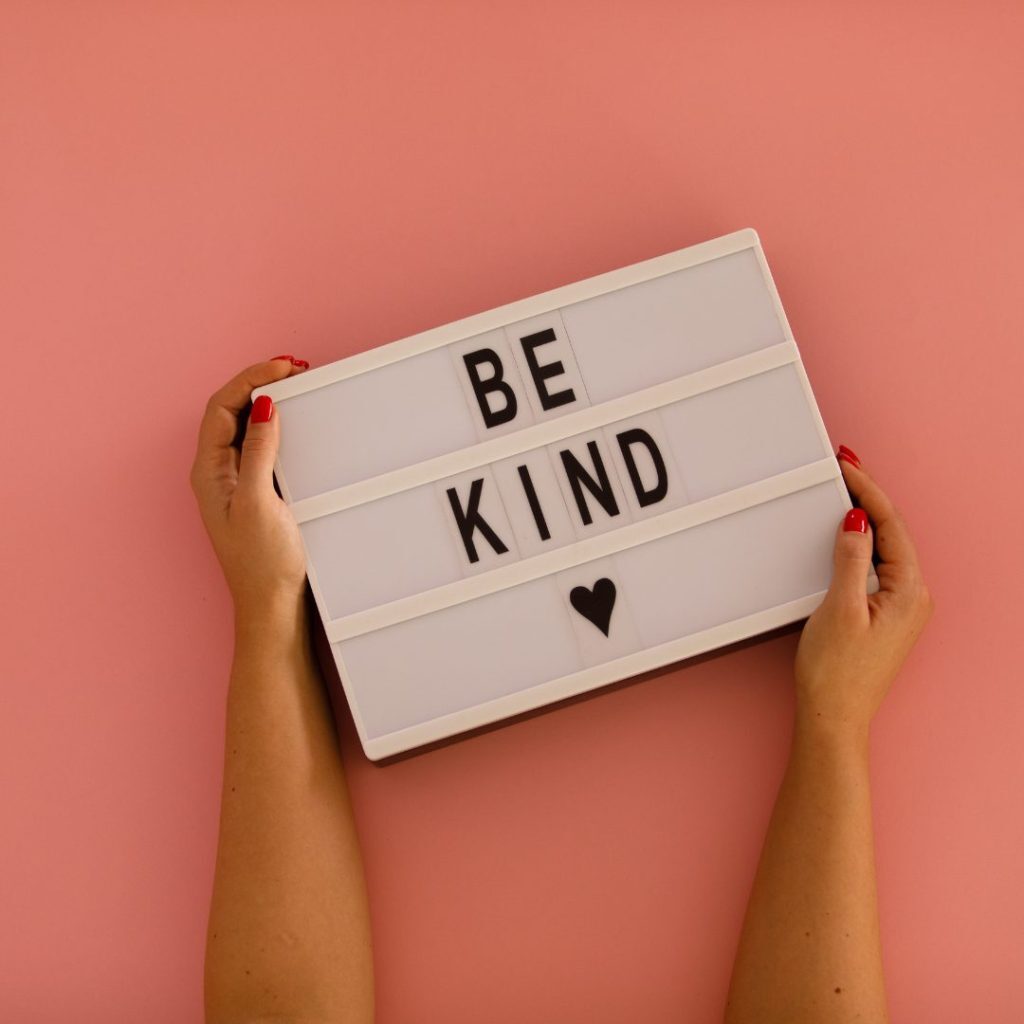
Henry James, a famous British-American novelist of the late 19th and early 20th centuries, once said, "I have three pieces of advice. The first is to be kind. The second is to be kind. The third is to be kind." Fred Rogers, host of the beloved children's TV show, Mr. Rogers' Neighborhood, was known for how he emphasized kindness, reviving James's quote for a new generation.
 More recently, scientists have shown that acts of kindness reduce feelings of depression and anxiety. The effect is clear and robust. Spending money as a form of kindness to others, such as by donating to charity, also reduces low mood. The biological mechanism behind these effects of kindness includes the release of feel-good chemicals like serotonin and dopamine in the brain. Other mechanisms may involve the release of neuromodulator hormones, especially oxytocin and progesterone, known for their stress-buffering and restorative properties.
Our motive for being kind is important. If kindness is an obligation, a duty, or done to gain approval, it may not have the same positive effect. While some selfish motives for kindness are inevitable, "kindness" that is purely selfish might not benefit us.
 Deliberate, voluntary acts of kindness can improve mental health more than routine kindnesses. A routine act, like always giving money at church or making cookies for grandchildren because it's the day they visit, may not lift our spirits. However, reflecting on these acts as voluntary and recalling the good they do, can restore their positive effects.
From an evolutionary standpoint, individuals who performed kind acts helped their group's survival. Highly selfish individuals or societies might not succeed long-term. Kindness fosters social connections, which is crucial for mental health. Performing kind acts often involves engaging with others, creating a sense of community and belonging. This social interaction can reduce feelings of loneliness and isolation, significant risks for mental health issues.
 Kindness also boosts self-esteem. By seeing ourselves as capable of making a difference, we reinforce a positive self-image and increase our sense of purpose and self-worth, buffering against negative self-perceptions and improving mental resilience.
Moreover, kindness can distract us from our problems. Focusing on others' needs diverts attention from personal stressors and encourages a more positive outlook. This shift can break the negative thinking cycle often accompanying mental health struggles.
There are many ways to be kind: smiling and greeting a stranger; helping your partner fold laundry; donating to charity; sending a note to a distant friend; reading to your grandchild; giving a kind word and small donation to a homeless person; bringing baked goods to a neighbor; thanking a store clerk warmly; making tea for your partner; volunteering at a hospital, school, or food bank; and thanking a nurse changing your dressing.
Overall, the science behind kindness underscores its profound benefit to mental health. By incorporating small acts of kindness into our daily routines, we can foster a more positive mental state, enhance our relationships, and contribute to a healthier society.