


 Research has shown that there is a strong connection between exercise and its effects on depression, anxiety, eating disorders, addiction, cognitive functioning, and emotional regulation. Exercise or physical activity can help manage these issues, but can also have a preventive effect.
Exercise has also been shown to have impacts on some of the symptomatology of certain mental health issues. Regular exercise has been shown to reduce the symptoms of mild and moderate depression and can prevent the onset or recurrence of a depressive episode. Additionally, the side effect of weight gain with the use of antidepressants can be combated with regular exercise. For anxiety, regular exercise can also help reduce symptoms and can help increase tolerance and comfort level of physical symptoms, such as increased heart rate and breathing rate, that are experienced in panic attacks.
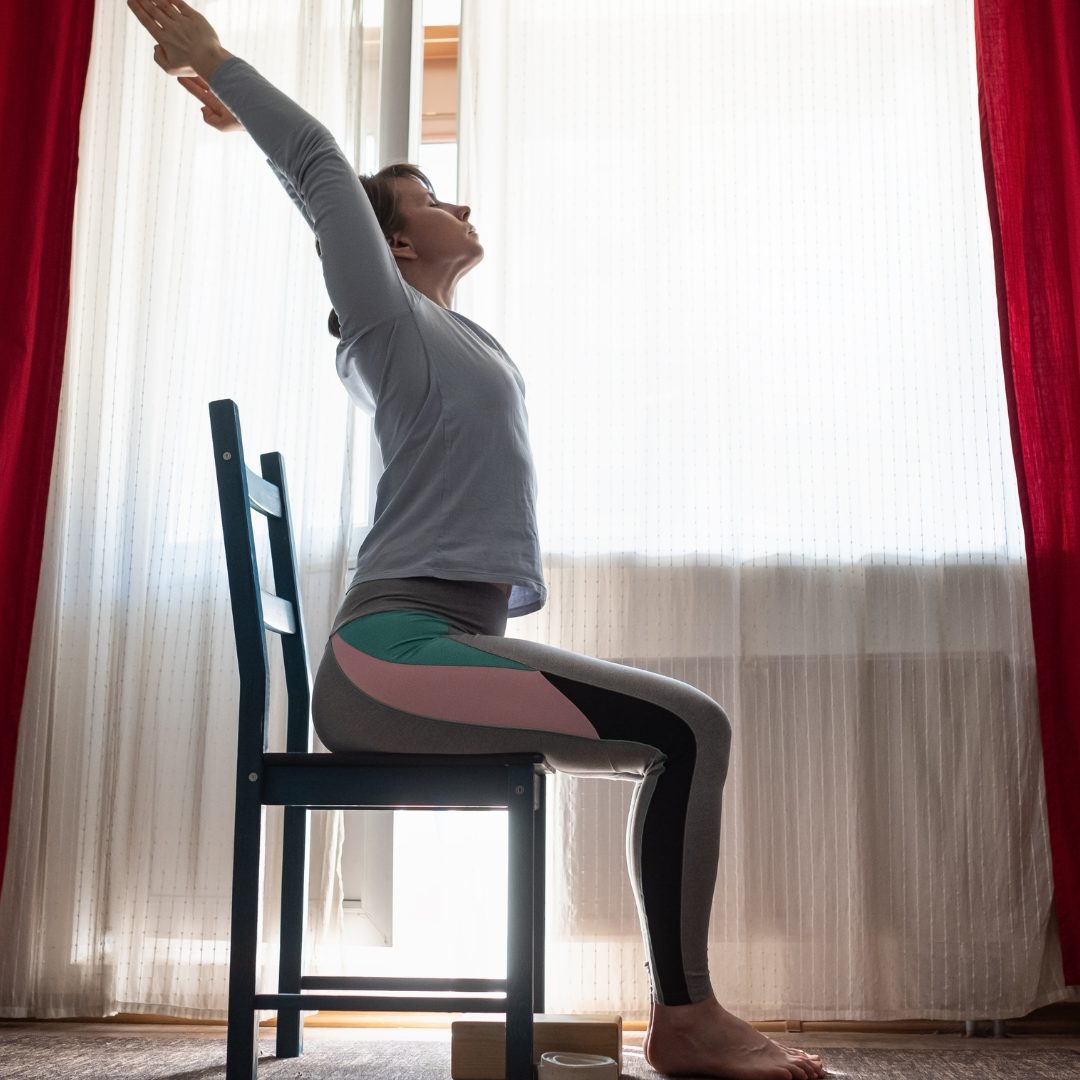
Benefits of Exercise:
- Improved sleep
- Release of chemicals in the brain (serotonin and endorphins)
- Increased brain volume
- Increased blood flow
- Improved neural functioning through the increase of brain volume and blood flow
- Increase in self-esteem and self-confidence
- Increase in socialization (especially for group physical activity)
- Improvements in quality of life
- Stress relief
- Improved mood
- Increased energy
- Overall better health
Common barriers to Exercise:
 I don’t know where to start.
This is a very common hesitation with beginning any form of exercise, as exercise tends to be overcomplicated. The easiest thing to do is just start something that you enjoy that gets your body moving. Whether it be a yoga class with a friend, walking your dog, or going for a hike. Friends, family, neighborhood news, and community centers offer great options for finding out what is available in your area or different types of exercise you may enjoy.
I don’t have enough time.
This is also a very common statement concerning exercise. It can be challenging to find the time when we are busy addressing everything on our to-do lists. However, this comes down to a problem with prioritizing. Take time to assess if you really can’t fit exercise into your day, or if you are prioritizing other things that might not be as important. Exercise can be squeezed into time blocks throughout your day. For example, park your car further away, take the stairs, or take a 15-minute walk on your lunch break. Additionally, if you have to make a call, you could use that time to walk and talk.
I’m not motivated to exercise
Motivation is not always present and this comes down to routine and enjoyment. When incorporating exercise into your schedule, think of things that you would enjoy participating in. This will make it easier to actually stick with it and create a new habit. You can also set alarms/ reminders to exercise and have it tied to a specific part of your day. For example, use your lunch break to go for a walk, or go for a walk after dinner. Another tip to help incorporate exercise into your life would be to get a workout buddy to help keep you accountable.
You can do it – and it will reward you for your efforts!